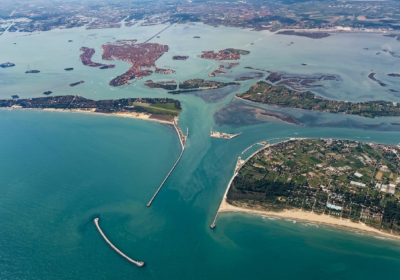

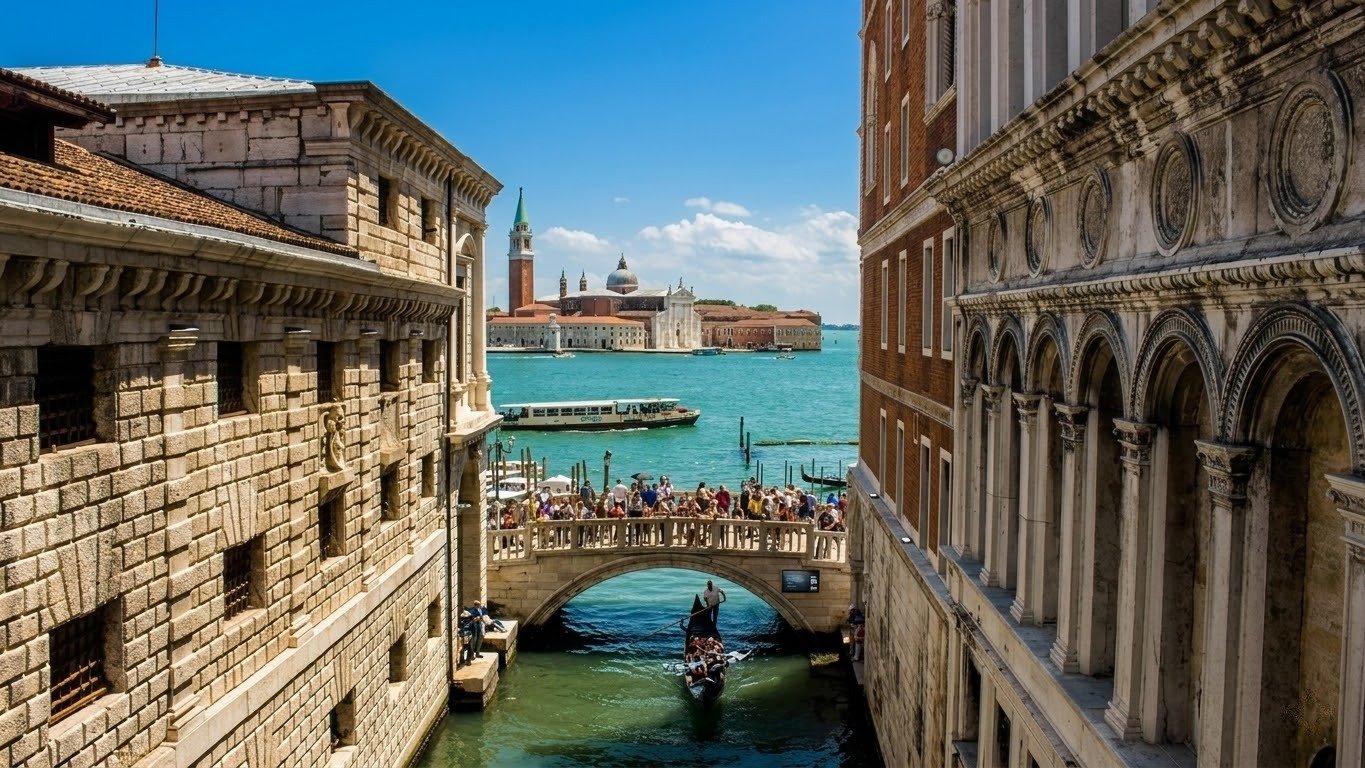
Venice is famous for its canals and gondolas, but its true charm lies in the details: the countless bridges and wells scattered throughout the city. These structures are more than functional elements—they are historical witnesses, each telling a story about Venice’s urban life, architecture, and water management over the centuries. Walking through the city, you encounter an extraordinary blend of art, history, and engineering at every turn.
What Are the Bridges and Wells?
Venice has over 400 bridges, ranging from grand monumental spans over the Canal Grande to tiny pedestrian bridges connecting quiet alleyways. Each bridge reflects a unique architectural style and historical period. Meanwhile, the wells, once vital to daily life, were carefully constructed to collect and filter rainwater for drinking and domestic use. Together, these elements illustrate Venice’s ingenious adaptation to a city built on water.
Exploring the Bridges
A visit to Venice is incomplete without wandering its network of bridges, including:
-
Rialto Bridge – the most iconic crossing over the Canal Grande, a hub of commerce since the 16th century.
-
Ponte dei Sospiri (Bridge of Sighs) – linking the Doge’s Palace to the old prison, rich in legend and history.
-
Hidden alleyway bridges – small, arched stone crossings that reveal secluded courtyards and quiet canals.
Each bridge offers a distinct perspective of the canals and the life that unfolds along them, from bustling markets to serene residential corners.
Discovering the Wells
Venice’s wells, or pozzi, were central to community life. Their ornate stone structures, often decorated with coats of arms or inscriptions, can be found in squares and courtyards throughout the city. Notable examples include:
-
Campo Santa Margherita wells – once a vital source of water for the lively student district.
-
San Polo wells – showcasing intricate carvings and historical significance in the commercial heart of Venice.
These wells remind visitors of a time before modern plumbing, when water was both precious and symbolic of communal life.
Why You Should Explore Them
Whether you cross a grand bridge or stumble upon a quiet well in a hidden campo, these features provide:
-
Insight into Venice’s history and urban development
-
Opportunities for striking photography away from tourist crowds
-
A deeper understanding of how Venetians lived in harmony with water
Exploring Venice’s bridges and wells allows you to see the city beyond its famous sights, revealing the subtle elegance, engineering brilliance, and everyday stories that make Venice truly unique.
When to Experience It
You can explore these treasures year-round, but the best times are early morning or late afternoon, when the light illuminates the canals and the city feels quiet and intimate. Walking slowly, bridge by bridge, well by well, offers a more authentic and reflective Venice experience.